
Back to Blogs
Vitamins you should take in the winter to combat seasonal depression, not get sick, and feel great.
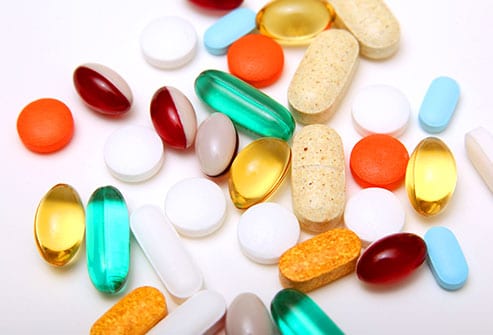
Winter can take a toll on our bodies and our minds. The evenings are long and dark, you barely get any sunshine and tend to eat less fresh fruit and veggies due to lack of seasonal availability (plus who wants salad on these long cold evenings?).
If you want to keep the winter spur of cold and flu at bay and not let depression and fatigue get to you, then turn to the benefits of vitamins. These will be especially important!
Vitamin C: OBVIOUSLY! Even though, contrary to the famous belief, it doesn’t prevent colds and flu, it has the potential to reduce the length and severity of symptoms. Vitamin C is an antioxidant which protects the body against disease including heart disease and cancer. It is also used for the production of collagen, necessary to build body tissue and bones. You should definitely try and get as much as you can from its natural sources such as citrus fruit, kiwi, broccoli, cabbage and yams but supplements are available. Vitamin C is even believed to be a super cure for almost every health issue in an intravenous form, administered by special clinics (clinical research is to yet confirm these claims). Generally the recommended dose of Vitamin C is 40 mg a day for adults and 25 mg a day for children.
Vitamin A: is naturally present in milk, dairy, egg yolks, liver, fatty fish, carrots and tomatoes and it’s crucial for repairing tissues, growth and development. It is also essential for strengthening the immune system and maintaining good eyesight. Again if you can’t commit to taking in lots in your diet, use supplements. The recommended daily intake is 600 micrograms for women and 700 micrograms for men. Overdosing regularly can lead to complications so avoid ingesting doses larger than recommended.
Vitamin E: acts as an antioxidant protecting cell membranes from damage, and is thought to protect against some cancers and heart disease. A Vitamin E deficiency leads to a decreased immune response to any infection or disease. Vitamin E also helps protect the eyesight and takes part in muscle tissue growth. Nuts and oils are an excellent source of vitamin E but greens such as broccoli, spinach and cabbage and cereals are also rich in this vitamin. Deficiency is rare since popular vegetable oils are rich sources of vitamin E. The recommended daily intake for adults is 10 mg. Regular consumption of more than 1,000 mg per day may cause hypervitaminosis E, with an associated risk of vitamin K deficiency and complications such as bleeding problems.
Remember, always consult adding new supplements with your GP, especially if you take medication or have a health condition.